
From Heat to Cool: How to Transition Your HVAC System Smoothly This Spring
As March rolls in, Wallingford, CT is still experiencing chilly days—but spring is right around the corner. This transition period is the perfect opportunity for homeowners to shift their HVAC systems from winter heating to spring cooling. Taking proactive steps now not only ensures comfort as temperatures rise but also improves efficiency, saves energy, and extends the life of your system.
Timing Your HVAC Transition
The first step in a smooth transition is knowing when to switch from heating to cooling. Wallingford weather can be unpredictable in March and April, so consider the following guidelines:
-
Monitor local temperatures: Switch to cooling mode when daytime highs consistently reach 65–70°F.
-
Gradual shift: If nights are still cold, you can leave the heat on early in the morning while using your AC during the warmer parts of the day.
-
Check your thermostat settings: Smart or programmable thermostats can automatically switch between heating and cooling, making this transition effortless.
Tip: Avoid cranking your AC immediately after a long heating season. A short inspection and minor prep can prevent stress on your system.
HVAC Inspection: Why Professional Help Pays Off
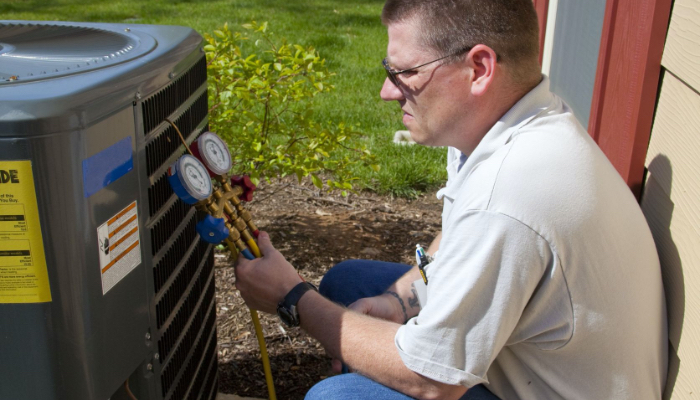
While some tasks are perfect for DIYers, a professional inspection ensures your HVAC is ready for spring:
What a Pro Will Check
-
Air filters: Replacing or cleaning filters improves air quality and system efficiency.
-
Coils and ducts: Winter dust and debris can reduce airflow, causing your AC to work harder.
-
Refrigerant levels: Low refrigerant can damage your compressor and lower cooling efficiency.
-
Thermostat calibration: Ensures accurate readings and prevents energy waste.
Benefits of Professional Maintenance
-
Reduces the risk of mid-summer breakdowns and expensive AC repair bills.
-
Optimizes energy efficiency for Wallingford homes, keeping utility bills manageable.
-
Extends the lifespan of your HVAC system.
Pro tip: Even a quick seasonal tune-up by a licensed technician can save hundreds in energy costs and prevent costly repairs later.
Energy-Saving Tips During the Transition
Spring is a great time to incorporate energy efficiency strategies that can also help with Wallingford’s remaining cool nights:
Programmable Thermostat Schedules
-
Set your system to cool only when you’re home.
-
Keep nights slightly warmer to save energy without sacrificing comfort.
Filter Swaps and Cleaning
-
Replace air filters every 1–3 months, especially after winter.
-
A clean filter improves airflow and prevents strain on your AC.
Seal Drafts and Inspect Insulation
-
Check doors, windows, and attic spaces for leaks.
-
Proper insulation helps your HVAC maintain consistent indoor temperatures with less effort.
Routine System Checks You Can Do
-
Clean vents and registers.
-
Remove debris from outdoor AC units.
-
Inspect visible ductwork for leaks or loose connections.
Smooth Transition Tips for Wallingford Homeowners
-
Avoid extreme thermostat swings: Don’t set your AC drastically lower than the current indoor temperature; it stresses the system.
-
Schedule maintenance early: Waiting until late spring can lead to busy schedules for HVAC professionals.
-
Combine heating and cooling tasks: While switching modes, check for heating issues that may have arisen over winter.
Example: A Wallingford homeowner noticed reduced airflow after winter. A quick pro inspection revealed a partially blocked coil and low refrigerant. After cleaning and topping off, the system ran efficiently, keeping their home comfortable without spiking energy bills.
Prepare Now, Enjoy Comfort All Season
Transitioning your HVAC system from heat to cool doesn’t have to be stressful. By:
-
Monitoring temperatures and adjusting thermostat settings gradually,
-
Scheduling a professional inspection,
-
Swapping filters and checking airflow, and
-
Implementing energy-saving strategies,
…you can ensure your Wallingford home remains comfortable as spring arrives. Taking these steps now reduces the risk of breakdowns, saves energy, and extends the life of your HVAC system.
With a little preparation, you’ll enjoy a smooth, efficient switch from winter warmth to spring cool—and be ready for the warmer months ahead.